

The Benefits of Buying 1kg Roasted Coffee Beans in Bulk
A bag of 1kg of roasted coffee beans makes 60-70 cups of coffee. This will satisfy the needs of a large number of people. Buying in bulk will help you save money in the long run and make coffee brewing more efficient.
The seeds of the coffee plant are rich in caffeine, a powerful antioxidant that can boost energy levels and reduce the risk of certain diseases. These beans are also safe to eat however, they should be consumed in moderation.
Economic
A 1kg bag of coffee beans that have been roasted produces more cups than a 350g (12oz) bag. This size is more suitable for coffee shops, since it allows them to sell more coffee and reduce packaging and storage costs. This also reduces waste by reducing the number packages required for each sale. The move to bigger bags will also reduce time and costs printing labels and assembling the bags. It's important for coffee roasters to understand how this change will impact their product and business.
The coffee production process uses an enormous amount of energy. This includes energy used to mill and transport green coffee beans, as also energy for extraction, roasting, and extraction. Improvements in energy efficiency are essential to reduce the industry's carbon footprint. This can be accomplished by improving the efficiency of processes and identifying alternative fuels.
The consumption of coffee has many health benefits. They include increased mental alertness and cognitive function, a lower risk of chronic illness and support for weight loss. It is crucial to drink moderate amounts of coffee. A high dose of caffeine can trigger anxiety, sleep disturbances, and heart palpitations. Additionally excessive consumption of coffee can lead to low blood pressure and dehydration.
In terms of the environmental impact of instant coffee, the annual CC impact ranges from 861 to 893 kt CO2 eq./yr equivalent to 0.6 percent of the UK's total GHG emissions from the food and beverage sector. The largest contributions are due to the production of ground coffee, followed by instant coffee and coffee pods. mix.
Instant coffee can be made green by reducing the use of energy during production by using biodegradable and recycled packaging, and introducing renewable energy sources into the supply chain. It is also essential to promote sustainable practices for coffee farming and provide training to farmers in regions where quality coffee is produced. This will increase the demand for premium coffee while improving the farmer's income and living conditions. This will also improve the capacity of small-scale producers to get premium prices for their coffee.
Eco-friendly
A 1kg bag of roasted coffee beans will last a typical coffee drinker about 25 cups. When compared to a smaller size one pound bag, a kilo bag will also help to reduce a significant amount of packaging waste. This is particularly important for businesses that specialize in eco-friendly coffee, as it will reduce their environmental footprint and aid the planet by making use of recycled materials. This kind of sustainable practices are becoming more common among roasters and coffee shops as they strive to produce an environmentally friendly product that not only delights customers, but also motivate them to buy again.
Roasting is a highly energy-intensive process that involves the exposure of green coffee beans heat. The beans undergo chemical and thermal changes. It is therefore important to choose a roaster which has the right sustainability practices and utilizes renewable energy for its operations. Ethical Bean, for example, uses solar panels at its roasting facility in Portsmouth, and it offsets any emissions left by purchasing Gold Standard carbon credits. It also promotes shade-grown beans and prioritizes transparency throughout its supply chain.
Look for brands that are certified fair trade and use agroforestry methods to support biodiversity and soil health. There are also roasters that are focused on direct trade and pay more to their suppliers than Fair Trade. These companies also offer an array of coffee blends and brewing options to ensure you get the perfect flavor for your taste buds.
A 1kg bag of beans roasted will not only reduce waste but can also help the coffee drinker to reuse coffee grounds. These grounds are high in nutrients and can be utilized as a substitute for organic compost. A kilo of coffee beans can allow you to try different grind sizes and brewing methods. This ability to experiment and taste coffee has a significant impact on the experience of the consumer and quality of life.
If you are a frequent coffee drinker, think about purchasing your beans in large quantities. The initial purchase is more than compensated by the savings. You can also save money by purchasing bags of coffee beans that are not roasted and then grinding them yourself. Raw beans are also more eco sustainable since you don't have to pack and ship them.
Easy to store
A kilogram of coffee beans can last for a long time if stored properly. Keeping them away from light, moisture, and oxygen will preserve their flavor and extend their shelf time. You can freeze them for several months. Keep your beans in a dark, sealed container or bag. If your beans aren't in an appropriate bag, you can use resealable bags or move the beans into one. If you can keep them in an airtight container or another dark place that isn't too hot. A cooler environment will keep them fresher for longer.
The majority of people can use a 1kg bag of beans roasted for between five and seven days after opening. This is enough to satisfy most coffee drinkers who are regular. But, it's important to keep in mind that coffee beans rapidly degrade if exposed to air after opening. They will still have a great aroma and taste however, the molecular components that give them their flavor will degrade.
Consider buying a vacuum canister in case you wish to store your coffee in a streamlined way. These canisters are airtight and can be used with hand pumps to eliminate the oxygen. This will stop the oxidisation of your coffee beans and slow the process of breaking down, which will keep them fresh for up to three months.
Coffeee offer resealable, airtight bags with one-way valves. These can help to keep the quality of your coffee. They can be a fantastic option for those who do not have the money to buy their beans frequently. These are an excellent option for roasters in third wave who need to ship large quantities of their product.
You can save money by buying coffee beans in bulk and you can also aid the environment. It reduces the amount of packaging waste by using less bags and containers than smaller purchases. Additionally, it lets you to play around with grind sizes and brewing techniques. This ability to experiment will enhance your coffee experience and can make each cup of coffee a new adventure.
Healthier
Coffee beans contain a range of beneficial nutrients such as antioxidants and caffeine. They are rich in vitamin E as well as magnesium, potassium, and Niacin. They also provide small amounts of phosphorus, copper, manganese, and iron. While the caffeine in coffee can cause some people to feel jittery, it also provides energy and increase metabolism. In addition, it can help protect against oral cancer, promote hair growth, and reduce cataracts. However, the most important thing to remember is that coffee should be consumed in moderation. A large amount of coffee can trigger digestive symptoms, heartburn and weight gain.
The amount of caffeine present in a cup of coffee is dependent on the type of coffee bean used and roasting method. On average, a single coffee bean has around 12 mg of caffeine. This is more than enough to cause most adults an unpleasant feeling. The US Food and Drug Administration recommends not consuming more than 400 milligrams caffeine per day. This is equivalent to about four cups of brewed coffee. However, this suggestion is not suitable for children and teenagers who are more prone to caffeine's effects.
Many coffee bean producers and retailers discount their products when it is sold by the kilo. This makes it more affordable than buying smaller quantities. This is especially true for small batch roasters who are passionate about what they do and don't want to make a quick buck. Kilo is ideal for brewing techniques that require more dialing in, such as espresso.
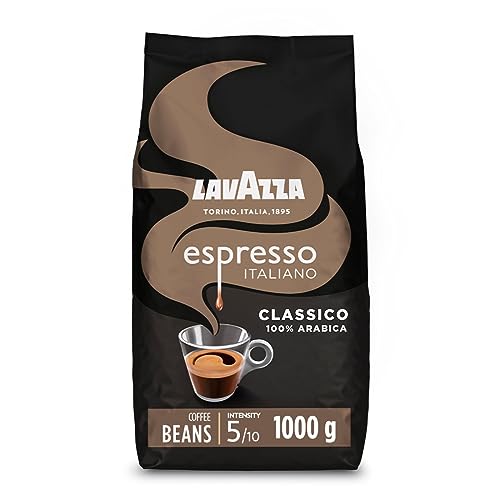
You can also avoid the waste of buying 1kg of beans roasted. The purchase of a large quantity will reduce the amount of packaging waste and help you recycle the coffee grounds that remain which are great for composting. Furthermore, the larger amount lets you explore different grind sizes and brewing methods, which can improve your experience and broaden your taste buds. The environmental benefits of buying coffee beans by the kilo are substantial and the savings could be significant. Why not give it a go? You can get a more rich and more flavorful cup of coffee at a fraction of the price.